years of artistic work across Brazil, the United States, and Europe
Brazilian Tenor
Biography
A journey through opera, television, crossover, and social media, bringing the power of classical singing to more and more people.
Max Wilson Pereira is a Brazilian tenor based in Vienna, an artist with a striking stage presence and a voice shaped by both lyrical tradition and direct communication with the audience. Beyond operatic technique, he dedicated years to musical theater singing, also developing command of a softer, more intimate, expressive sound. Born in São Paulo and raised in Rio de Janeiro, he discovered his passion for singing at age 18 after hearing Luciano Pavarotti, and since then has turned that inspiration into a career spanning stages, television, recordings, and digital platforms.
Instagram followers enjoying his art and humor
artistic and musical base for an international career
Training and Early Steps
While still young, Max began studying with tenor Eduardo Alvares while attending CAL, Casa das Artes de Laranjeiras, where he completed the Professional Acting Program. Theater training became an essential part of his artistic identity: not only singing, but telling a story, inhabiting the stage, and creating a living connection with the audience.
After years of study in classical singing, music theory, and piano, he moved to New York in 2005, where he studied with Evelyn La Quaif. The following year, Professor Sebastian Vittucci invited him to study in Vienna, Austria, where he attended Konservatorium Wien Privatuniversität for classical singing and operetta. He also studied at Vienna Konservatorium with tenor Agim Hushi, where he earned his bachelor’s degree as an opera soloist.
Stages, Opera, and Television
In Austria, Max performed in concerts, operas, and operettas, standing out in roles such as Nemorino in L'Elisir d'Amore by Donizetti, and Herzog von Urbino in Eine Nacht in Venedig by Johann Strauss. In 2007, he sang at the Gran Concerto Lírico di Ferragosto, performing Italian arias for a discerning audience.
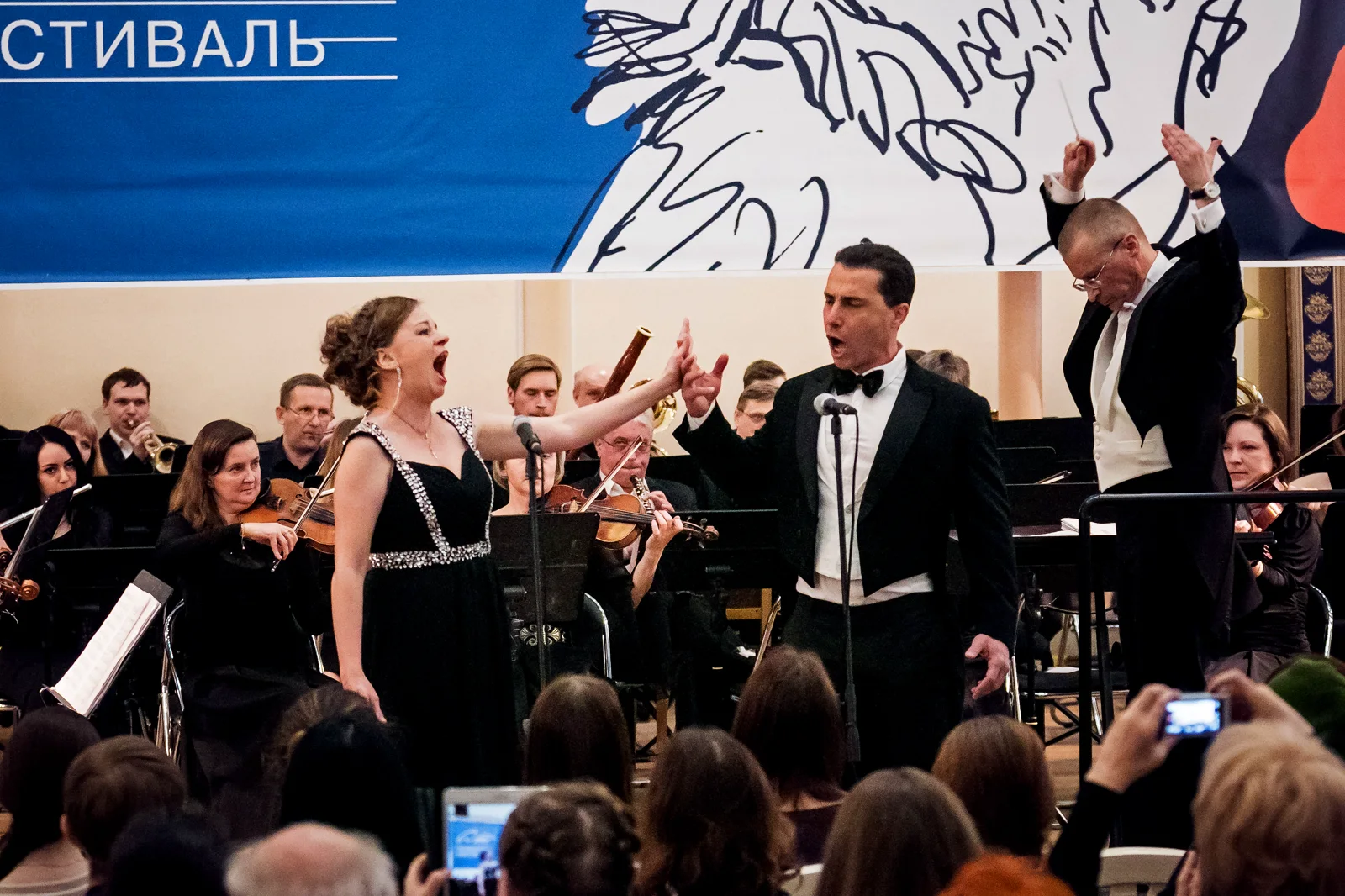
Among the important moments in his international journey, he was invited to sing in Russia on two occasions. One of those performances took place at the Taneyevsky Festival 2017 with the Vladimir Governor Symphony Orchestra conducted by Maestro Artiom Markin.
After three years in Vienna, he returned to Brazil at Sony Music’s invitation to join the group Quattro and record a CD. In 2009, he performed in the oratorio Colomboby Carlos Gomes at Theatro Municipal do Rio de Janeiro. In 2010, he took part in Hebe Camargo’s DVD recording, performing Dio come ti amo at Credicard Hall in São Paulo, and also appeared in the soap opera Tempos Modernosin a scene from Tosca alongside Alessandra Maestrini.
His career also includes work with names such as Bibi Ferreira, participation in the miniseries Aline, the world premiere of the opera Fedra e Hipólitoat Palácio das Artes, and work as a vocal coach on Domingão do Faustão, assisting Jonatas Faro in the Artista Completão segment.
Crossover, Humor, and Digital Audience
In recent years, Max has brought his voice to an even wider audience on social media. Blending classical technique, pop music, creative parodies, and street performances, he created a language of his own: sophisticated without being distant, fun without losing emotion, popular without abandoning vocal excellence.
His videos have already surpassed 1 million views, and his digital community brings together more than 200,000 Instagram followers and thousands of YouTube subscribers. With charisma, humor, and a classically trained voice, Max brings opera closer to people who may never have imagined being moved by it.
The Current Moment
Today, Max Wilson Pereira dedicates much of his energy to building an ever stronger digital presence, creating videos that bring opera, classical singing, and crossover to audiences who may never have imagined being moved by this repertoire. Based in Vienna and deeply connected to Brazil, he turns streets, beaches, stations, homes, and everyday situations into small stages where vocal technique meets surprise, emotion, and humor.
His work online comes from the desire to show that the lyrical voice does not need to live far from people. Through moving performances, musical parodies, interactions with strangers, and humorous videos, Max takes opera into new contexts, sparking curiosity, laughter, and spontaneous reactions. In this meeting between artistic excellence and direct communication, he continues creating new ways to share his art with those who already follow him and those who are still discovering him.